
Insurance on a Rental Big Bike in Thailand: A Simple, Friendly Guide
Many of our riders ask us the same question before they book: “What happens with insurance?” It’s a good question, and the answer is a little different from what most people expect. We wrote this guide to explain it simply. A few minutes of preparation before your trip can make the ride feel calmer, and we’re always happy to help along the way.
In short
Every registered motorcycle in Thailand carries mandatory government insurance, known as Por Ror Bor. It covers people, not the bike, and it pays a first amount of up to 65,000 THB without waiting to decide who was at fault. Damage to the bike, theft and third-party liability are the renter’s responsibility, so your own travel insurance and the right documents matter.
If anything happens, please call us first. We help with negotiation, translation and legal support if needed, and we’ll work with you to find a fair solution, even if the accident was your fault.
Three simple questions
- Who pays for people (you, your passenger, anyone injured)?
The government insurance pays a first amount, and your travel insurance covers the rest.
- Who pays for the bike (damage or theft)?
The renter, as set out in the rental agreement.
- Who pays for the other side (their bike, car or property)?
The renter. A calm, friendly conversation helps a lot here.
We explain all three at booking and handover, so nothing comes as a surprise.
What the government insurance (Por Ror Bor) does.
Por Ror Bor is there for people. It covers anyone injured in an accident involving the insured bike, whether that’s the rider, the passenger or someone else on the road. It doesn’t cover damage to property, so the bike, other vehicles and theft are outside it.
One helpful thing about it is speed. A first payment is made within about a week, and nobody has to wait for a decision on who was at fault. That first payment covers medical costs up to 30,000 THB, and death or permanent disability up to 35,000 THB, with a combined limit of 65,000 THB.
If another party is at fault, higher amounts may be available once their responsibility is shown. If the rider is at fault, the first payment is what the scheme provides for their own injuries, which is why your own travel insurance is so useful.
You can think of it as a first-aid kit: it helps care begin, and your travel insurance helps with the rest. These amounts can change, so we suggest checking the official Road Accident Victims Protection Company (RVP) page.
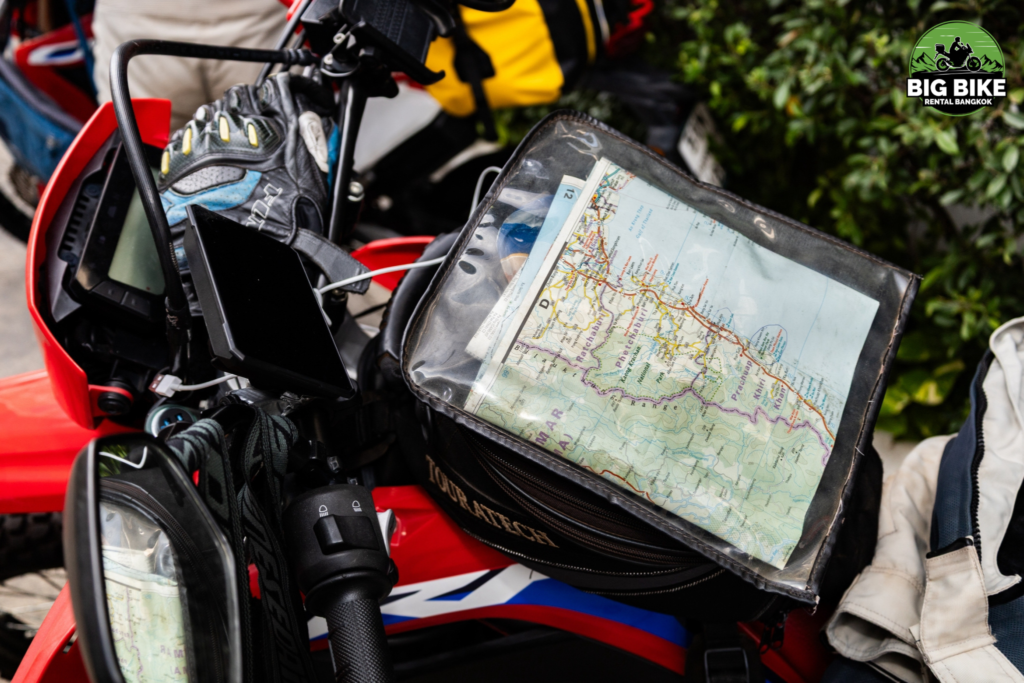
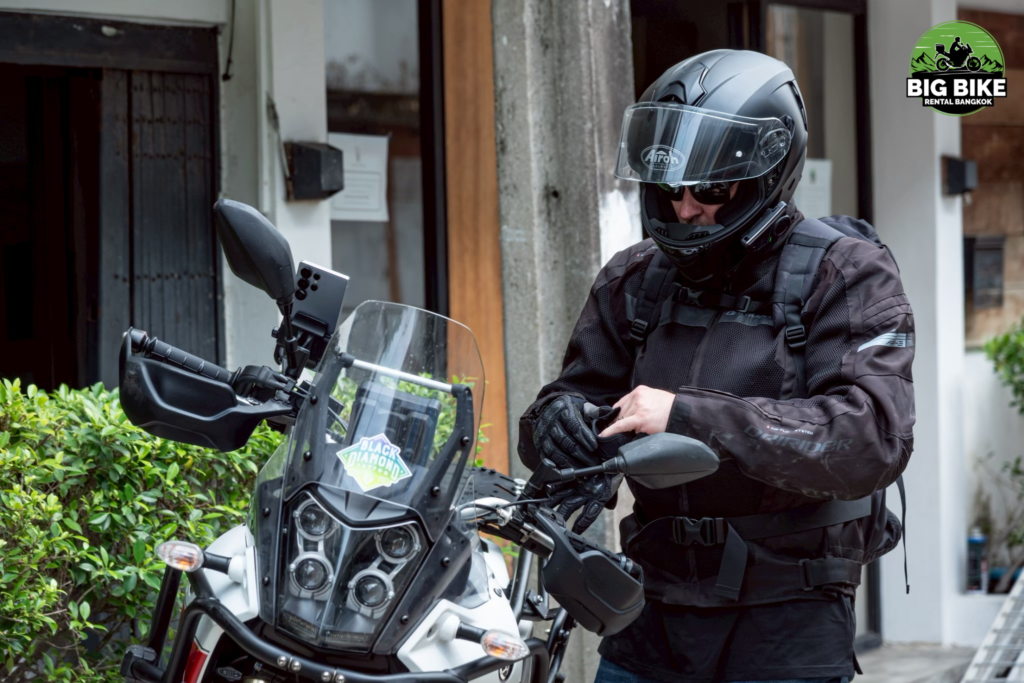
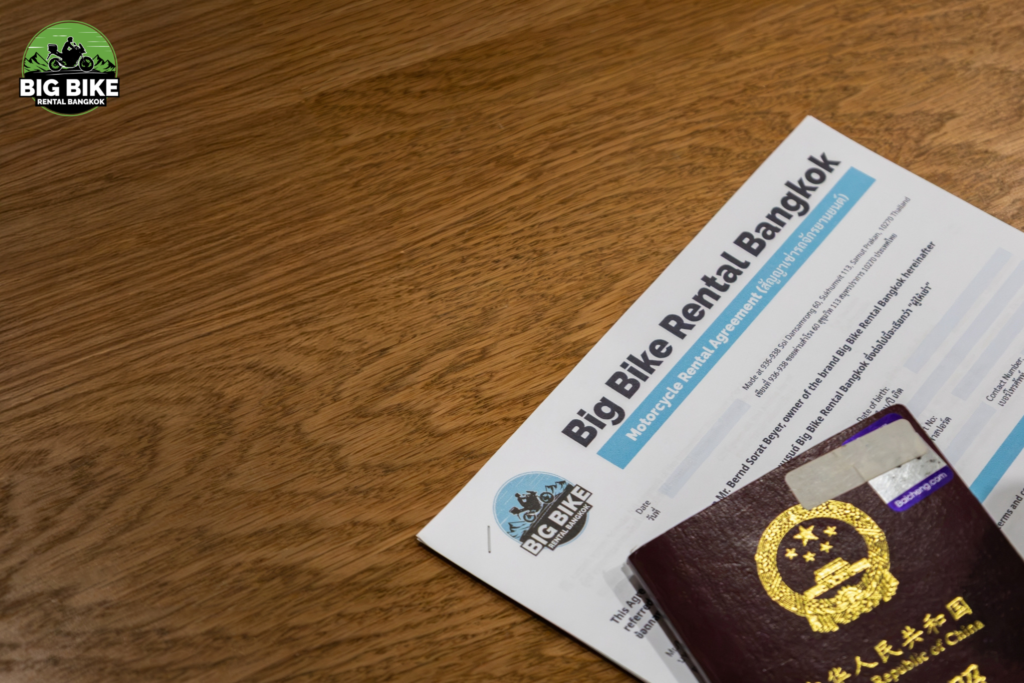
These are the things we suggest to every rider. They fall into four groups: your documents, your evidence, your habits and your help.
Your documents
-
Check your licence and permit before you travel.
You need your home motorcycle licence and an International Driving Permit with the motorcycle category. Riding without a valid licence can invalidate travel insurance, so this is the most important thing to confirm.
-
Ask your travel insurer five questions, and keep the answers.
It’s a good idea to email your insurer and ask:
- Does my policy cover riding a motorcycle of this size in Thailand?
- Is there an engine-size limit?
- Which licence do you require?
- Does it cover my passenger?
- Do you need to be called before hospital treatment?
Please save the replies on your phone. They’re quick to collect and very reassuring to have.
-
Think about your passenger and your belongings.
A passenger needs their own cover, as a rider’s policy may not include them. Luggage, phones and jackets are often outside medical cover, so it’s worth checking.
-
Take photos and video at handover and on return.
Photos help everyone stay on the same page. At pickup we photograph and film the bike, and you’re very welcome to record your own walk-around too, including the dashboard and fuel level. We suggest doing the same on return day.
-
Keep receipts and reports.
If anything happens, please keep hospital papers, repair quotes and any police report, and photograph each one with your phone. A tidy record makes every conversation simpler.
-
Look after the bike with a few easy habits.
Damage and theft are the renter’s responsibility, so small habits help: parking in secure places, using a good lock, riding in daylight and keeping a comfortable pace. They make the whole trip more enjoyable too.
-
Check where you’re allowed to ride.
Your rental agreement and your travel insurance may each limit certain uses, such as unpaved roads, ferries or night riding. If your plan goes beyond normal paved routes, please ask us first, and your insurer too.
-
Stay calm and polite, and call us first.
If something happens, a friendly manner helps everything go more smoothly, from the roadside to the police station. We suggest not promising payment or signing anything you don’t fully understand. If you’re asked to sign something in Thai, please call us, and we’ll help translate and explain it. You can also ask the Tourist Police (1155) for an interpreter.
-
Save a one-page help card on your phone.
A single screenshot is enough. Include:
- Our WhatsApp number
- Ambulance: 1669
- Police: 191
- Tourist Police: 1155
- Your insurer’s 24-hour number
- Your insurance policy number
- Your embassy’s contact details
If you’re riding in a group, it’s handy to share it with everyone.
How we help when you call
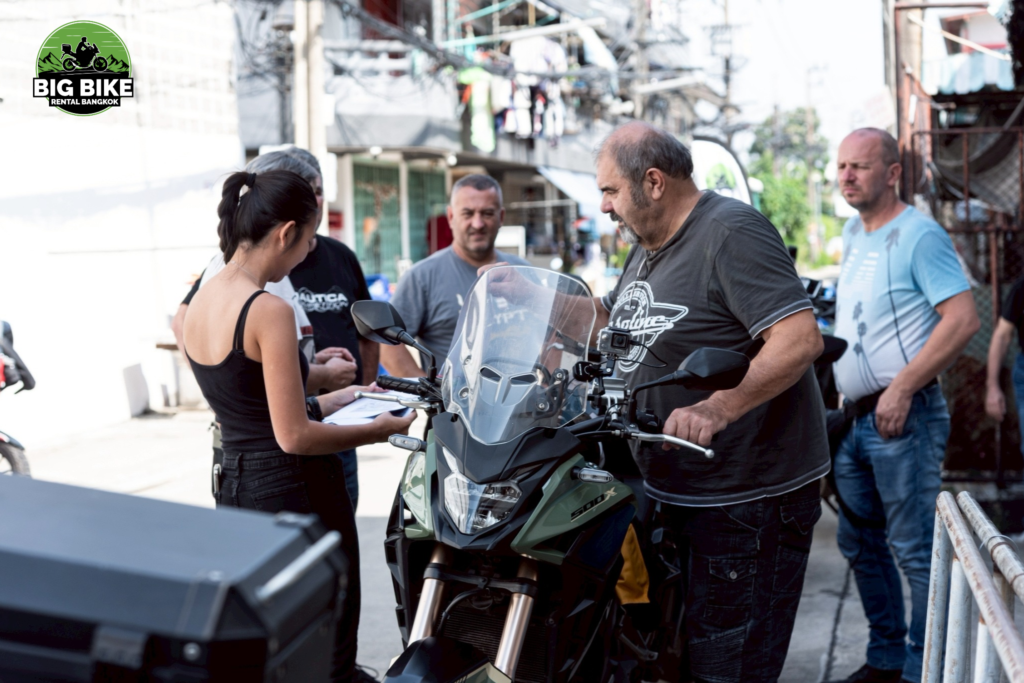
You don’t have to handle things alone. When you call us, we’ll listen first, then help you step by step. In most cases, our help includes three things:
- Negotiation. We speak with the other party and work with you to find a fair solution for everyone involved. A calm, respectful conversation usually settles things more easily than an argument.
- Translation. We help with language, whether it’s at the roadside, with the police, at the hospital or with paperwork, so you understand what is being said and what you’re being asked to sign.
- Legal support if required. If a situation needs legal steps, we can accompany you to the police station or to court when it’s necessary, or help you find a lawyer. We’re a rental team, not a law firm, so for legal advice we’ll help you find a qualified lawyer.
This applies even if the accident was your fault. We can’t promise a particular outcome, but we can promise you won’t face it alone.
For a step-by-step guide, please read What to Do After an Accident on a Rental Bike in Thailand.
Tell us your dates, your riding experience and your plan, and we’ll gladly help you choose a bike and prepare your paperwork.
Message us on WhatsApp · Check availability · See all bikes
*This guide is general information, not legal or insurance advice.
FAQs
Is insurance included when I rent a motorcycle in Thailand?
Every rental bike carries the mandatory government insurance, which covers injuries to people. Damage to the bike, theft and third-party liability are the renter’s responsibility. We explain this clearly at booking and handover.
Does the government insurance pay if the accident was my fault?
It pays the first amount toward your own medical costs without deciding fault. For more, your travel insurance is important.
Will my travel insurance cover me on a big bike?
That depends on your policy, including engine size, licence and country. We suggest asking your insurer in writing before you travel.
Will you still help if the accident was my fault?
Yes. Please call us anyway. We’ll help you understand the situation and work with you toward a fair solution for everyone involved.